Building on our discussions of leadership archetypes, bottomless economics, and the strategic shift from tactical to strategic thinking
The adage “culture eats strategy for breakfast” isn’t merely a management cliché- it’s a fundamental truth that MBA programs hammer into students from day one. Throughout my business management and strategy classes, professors consistently cautioned that organizational culture and behavior represent the ultimate make-or-break factors for companies and brands.
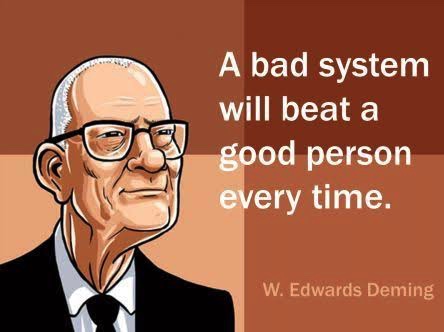
Yet here lies the paradox that continues to fascinate us at the Effectiveness Lab: we all attend these classes, absorb these lessons about environmental turbulence and change as constants, and then somehow fail to apply this knowledge when we enter the professional arena.
What separates successful application from theoretical knowledge gathering dust on executive bookshelves?
The Personal DNA Imperative
At the Effectiveness Lab, we’ve long maintained that successful change management begins with personal DNA- those intrinsic characteristics that drive individual effectiveness. This connects directly to our ongoing exploration of leadership archetypes and how different leader types navigate organizational transformation.
My own change management practice has been shaped by several personal DNA factors that align with our archetype analysis. My HBDI index reveals a dominant yellow thinking preference, complementing what I’ve always called my “risk-junkie” disposition on Gabazira’s Blog. This combination drives my systematic yet bold approach to organizational change.
The “never say never” attitude stems from incredible tenacity- a trait we’ve identified as crucial in our leadership archetype studies. When others perceive insurmountable obstacles, I see complex puzzles awaiting strategic solutions. This mindset proves invaluable when navigating the kind of organizational transformations that test even the most sophisticated strategies.
My approach to team leadership embodies the balanced archetype: I assume people are intelligent and capable, granting them execution autonomy while maintaining crystal-clear outcome definitions and success metrics. This freedom operates within a strict accountability regime- when results fall short, immediate course corrections follow.
Authenticity remains non-negotiable. The professional me mirrors the personal me, sometimes to my family’s chagrin- my siblings probably wish they could occasionally “de-fang” me. Yet this consistency builds the credibility essential for leading change initiatives.
When I commit to something, consider it done. This isn’t arrogance; it’s a personal standard that has built decades of consistent delivery- a cornerstone of effective leadership regardless of archetype.
The Circumstantial Reality: Organizational Development Gaming
The second driver of successful change application is circumstantial- entirely dependent on the organisational development (OD) toolbox available within your entity. We call this “OD gaming,” recognizing it as a critical factor often overlooked by change practitioners focused solely on individual competencies.
This connects to our broader analysis of how bottomless economics and the shift from tactical to strategic thinking create pressure points where organisations must evolve or perish. Modern organisations find themselves caught between established paradigms and emerging realities, and are forced to navigate transformations that challenge their fundamental assumptions. We reflect below on brands that were caught napping and the smart adaptive ones.
Environmental disruption strikes without warning. Nokia possessed world-class technical capabilities yet missed seismic signals when smartphones emerged. Their failure wasn’t technical—it was adaptive, demonstrating how even sophisticated organizations can fall victim to cultural blindness. Apple’s success stemmed not just from superior technology but from a culture that embraced creative destruction of its own products.
Traditional institutions face existential challenges. Traditional churches that operated successfully for centuries now compete with modern, youth-focused congregations offering radically different value propositions. In some regions, magnificent church buildings have transformed into supermarkets and cafes—adaptations that would have been unthinkable just decades ago, yet represent successful cultural pivots. I see pastors of today, with viable followers, that wouldn’t be pastors of my generation.
Survival demands foresight and agility. Organizations that anticipate futures and change proactively navigate turbulence successfully. Some lack foresight but possess robust OD toolboxes enabling rapid strategic pivots from old paradigms to new realities- these may survive through reactive excellence. However, culturally rigid organizations inevitably face extinction.
This survival challenge manifests clearly in sectors I’ve analyzed previously, particularly the development sector where International NGOs face identity crises as local organizations begin replicating their models while offering superior political legitimacy. The INGOs that survive shall be bold enough to reimagine their entire cultural identity- evolving from traditional implementers to specialized entities operating as grant management agencies, policy consultants, or technology-enabled oversight providers, merged/acquired brands, etc
The Cultural Paradox Emerges
Here’s where our analysis takes a fascinating turn, building on everything we’ve discussed about leadership archetypes and strategic evolution. The biggest threat to successful change may not be individual DNA limitations or inadequate OD toolboxes. Instead, it might be something far more insidious and entrenched: an organization’s culture and behavioural patterns.
This seems counterintuitive. Culture should be change’s greatest ally- the foundation that supports transformation initiatives and enables strategic pivots. Yet time and again, we observe how deeply embedded cultural assumptions, behavioral norms, and unwritten rules create invisible barriers that defeat even the most sophisticated change strategies.
How can this be? How do the very foundations that should support organisational evolution become its most formidable opponent? How does culture- theoretically the adaptive mechanism that should help organizations survive environmental changes, become the prison that confines them to obsolete paradigms?
The answer lies in understanding culture not as a static set of values, but as a dynamic system of power relationships, identity markers, and survival mechanisms that can become self-reinforcing even when they undermine organizational effectiveness.
Join me next week for Series 2, where we’ll dive deep into this paradox and explore why organizational culture, the thing that should be change’s greatest ally, often becomes its most formidable opponent.
This analysis continues the thought leadership tradition established at Gabazira’s Blog – Effectiveness Lab, where we examine the intersection of strategy, design, people and leadership, in this particular blog series, all pointing to organisational transformation.


 Gabazira's blog
Leave a reply to generalquickly8088b080a7 Cancel reply